Chapman’s Peak, fondly known as ‘Chappies’ by locals, is a must-visit landmark for any adventurous traveler visiting Cape Town. This guide will provide you with all the necessary information to make your hike up this iconic mountain a memorable one.
About Chapman’s Peak
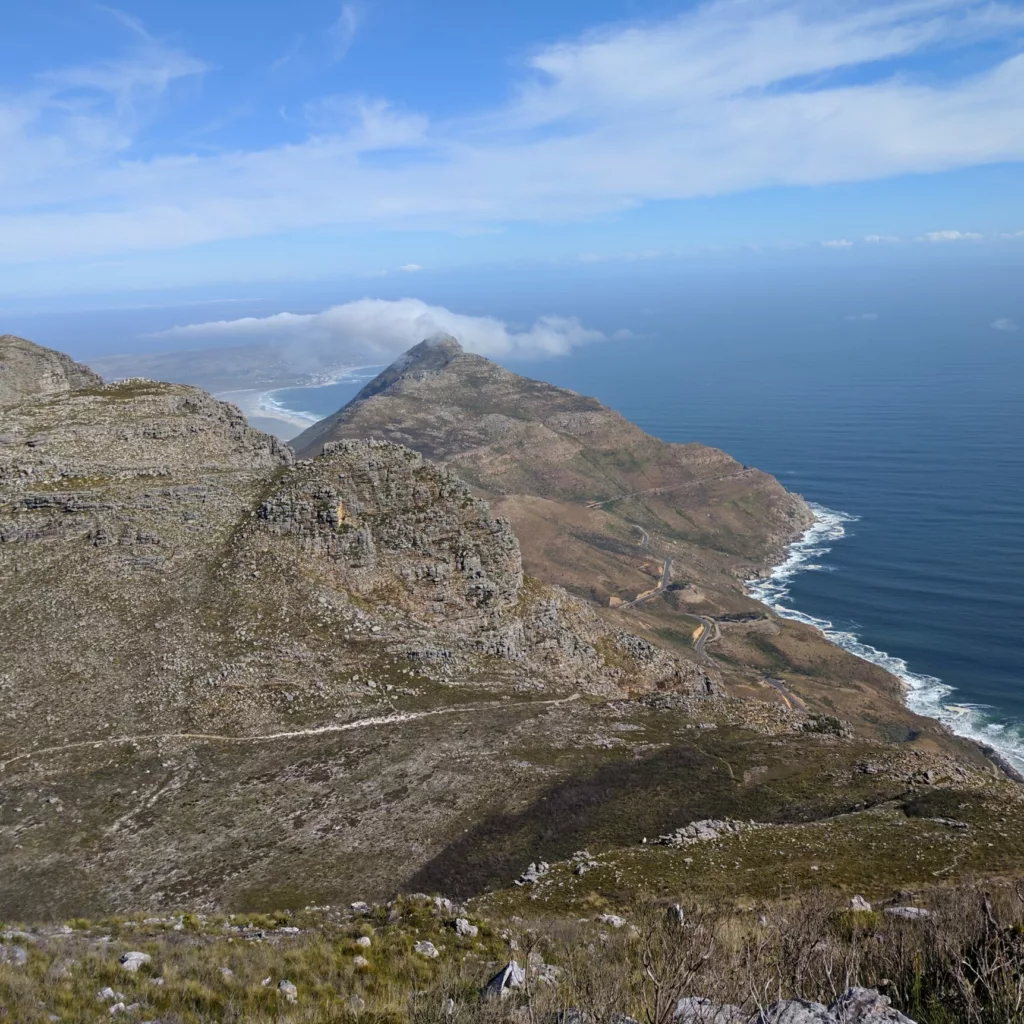
Chapman’s Peak is a mountain on the western side of the Cape Peninsula, between Hout Bay and Noordhoek in Cape Town, South Africa. The western flank of the mountain falls sharply for hundreds of meters into the Atlantic Ocean. A spectacular road, known as Chapman’s Peak Drive, hugs the near-vertical face of the mountain from Hout Bay to Noordhoek. Hacked out of the face of the mountain between 1915 and 1922, the road is a feat of engineering and is a major tourist attraction.
The Hike
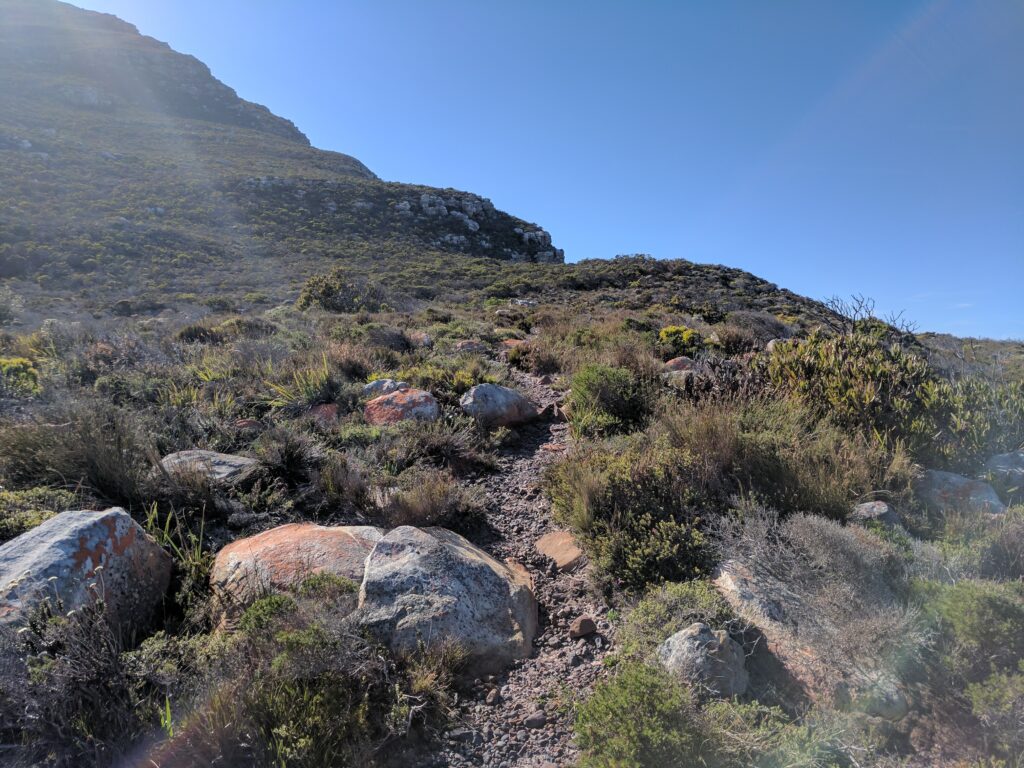
The Chapman’s Peak hike is a moderately challenging one, but the breathtaking views of the Atlantic Ocean and the surrounding mountains make it well worth the effort. The trail starts at the Chapman’s Peak Drive toll gate and winds its way up to the peak. The hike is approximately 3 km each way and can take between 2 to 3 hours to complete, depending on your fitness level.
What Makes It Special
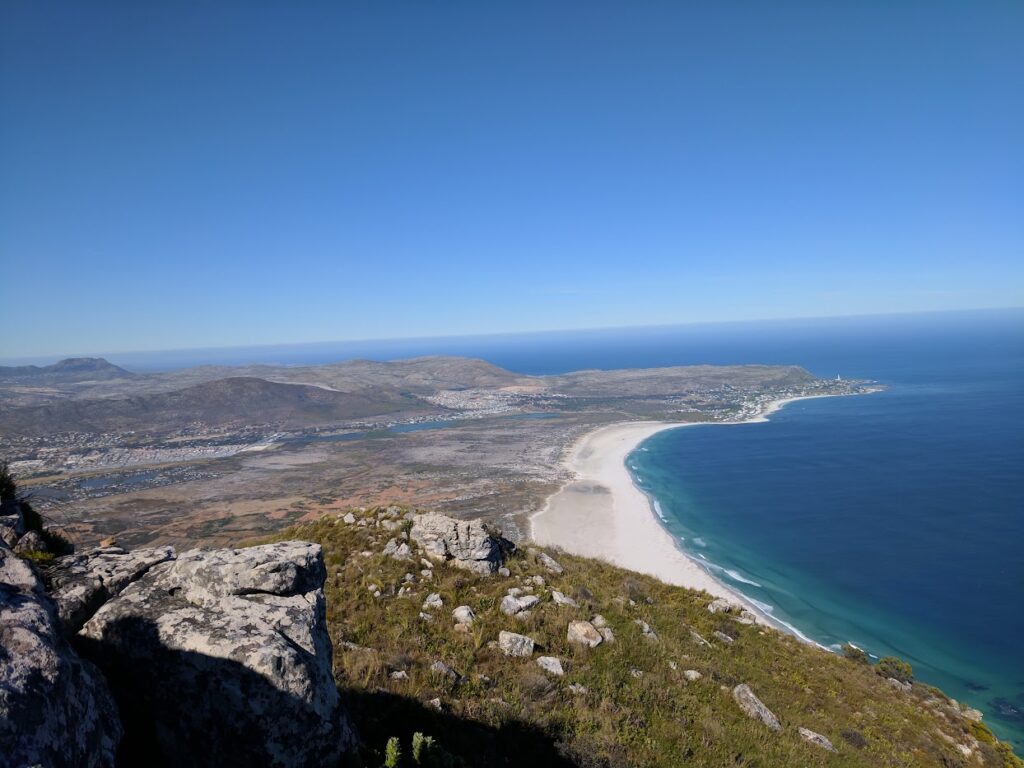
The views from Chapman’s Peak are what make this hike truly special. As you ascend, you’ll be treated to panoramic views of Hout Bay and the Atlantic Ocean. On the other side, the mountain range extends southwards towards the Cape of Good Hope. The peak itself offers 360-degree views that are absolutely stunning.
History of Chapman's Peak Drive
Chapman’s Peak Drive has an interesting history. It was the brainchild of Sir Frederic de Waal, the first administrator of the Cape Province. Work on the route began in 1915 and the formal opening took place in 1922. In January 2000, rock falls caused the closure of this national treasure. Public pressure led to the reopening, which could only happen thanks to a feat of astounding engineering vision. It was one of the most innovative road engineering projects ever to be undertaken in South Africa, and Chapman’s Peak Drive was re-opened as a Toll Road in December 2003.
Facilities and Amenities
There are several picnic spots along the route where you can rest and enjoy the scenery. During late winter and early spring, you may even spot southern right whales in the ocean below. The area is also a popular spot for photography, thanks to its stunning landscapes.
Safety Measures
The hike is great for those who are a little more nervous of hiking. There are no cliff that you will need to teeter on the edge of or any climbing. A very easy scramble at the summit is the most technical part of this hike. It is still a mountain though so a base a physical fitness will be needed to ascend to the top.
The Road: Safety measures have been put in place to protect visitors from potential rock falls. These include catch fences and a canopy structure, as well as a natural cut, half tunnel. The road is monitored by CCTV cameras and any adverse or high-risk weather situations lead to immediate road closure. Again this is all to protect the road. the hike is safe from rockfalls.
Best Time to Visit
Chapman’s Peak can be hiked year-round, but the best time to visit is during the cooler months of April to September. During these months, the temperatures are more comfortable for hiking, and the risk of heatstroke is lower. However, always check the weather forecast before you go, as the trail can be dangerous in high winds or heavy rain.
What to Bring
When hiking Chapman’s Peak, it’s essential to be prepared. Here’s what you should bring:
Plenty of water: There are no water sources along the trail, so make sure to bring enough to stay hydrated.
Snacks: Energy bars, fruit, or sandwiches are good options.
Sun protection: Sunscreen, a hat, and sunglasses are a must, even on cloudy days.
Comfortable shoes: The trail can be rocky and uneven, so sturdy hiking boots are recommended.
Camera: You’ll want to capture the stunning views!
A jacket: The weather can change quickly, so it’s a good idea to bring a light jacket or windbreaker.
Hiking Tips
Start early: This will allow you to avoid the midday heat and give you plenty of time to enjoy the hike.
Stay on the trail: This is not only for your safety but also to protect the flora and fauna.
Take your time: The hike is not a race. Take your time, enjoy the views, and take breaks when needed.
Leave no trace: Take all your rubbish with you and leave the trail as you found it.
Flora and Fauna
Chapman’s Peak is part of the Table Mountain National Park, which is home to a diverse range of flora and fauna. The area is part of the Cape Floral Region, a UNESCO World Heritage Site, and is particularly known for its fynbos vegetation. You might also spot wildlife such as baboons, dassies, and a variety of bird species.
Conservation Efforts
Chapman’s Peak and the surrounding area are part of the Table Mountain National Park, which is managed by South African National Parks. They work to protect and conserve the area’s unique biodiversity. When visiting, please respect the rules of the park to help preserve this beautiful area for future generations.
Climbing Chapman’s Peak is a rewarding experience that offers stunning views and a close encounter with Cape Town’s natural beauty. Whether you’re a seasoned hiker or a casual walker, this hike is a must-do when visiting the city. So lace up your hiking boots, pack your bag, and get ready for an unforgettable adventure!