Cape Point Nature Reserve: Your Ultimate Exploration Guide
Embark on an unforgettable journey to Cape Point Nature Reserve, a gem nestled in Cape Town, South Africa. This guide will reveal insider tips, the best trails, and spots that make Cape Point a top hiking destination.
Costs for Cape point
South Africans (with ID)
Adults: R97
Kids: R47
Standard Entry
Adults: R376
Kids: R188
SADC Nationals
Adults: R188
Kids: R94
*last updated July 2024
Unveiling the Magic of Cape Point Nature Reserve
As a hiker and nature enthusiast, you’ll find Cape Point Nature Reserve a paradise. The reserve offers panoramic landscapes, thrilling hikes, and a rich array of flora and fauna. It’s a land where two mighty ocean currents meet, featuring dramatic cliffs that plunge into azure waters, pristine beaches, and breathtaking viewpoints.
Where the two oceans meet
Cape Point forms part of the Table Mountain National Park, situated at the southeast corner of the Cape Peninsula. It’s a sanctuary for an abundance of wildlife, over 1,100 indigenous plant species, and a lighthouse perched 249 meters above sea level. The park offers hikes along the mountains on the Eastern side, overlooking the calm waters of False Bay. On the Western Side, you’ll find easier hikes along the wild Atlantic Coast. The pinnacle of these hikes is the breathtaking views from the point itself.
Journey to Cape Point
From Cape Town city center, it’s approximately a 60km drive to Cape Point, roughly an hour and a half by car. You could either drive yourself or take one of the many tours offered. The drive showcases Cape Town’s world-class scenery. We highly recommend following the Atlantic Seaboard via Chapman’s Peak Drive for a mind-blowing experience.
When to Visit
Cape Point is accessible year-round. Summer (November – February) brings warm weather and clear skies, but can be windy. Winter (June – August) can be wet, but also comes with fewer crowds and lush, green landscapes. Spring (September – October) and autumn (March – May) offer milder weather and are excellent times for hiking and wildlife viewing.
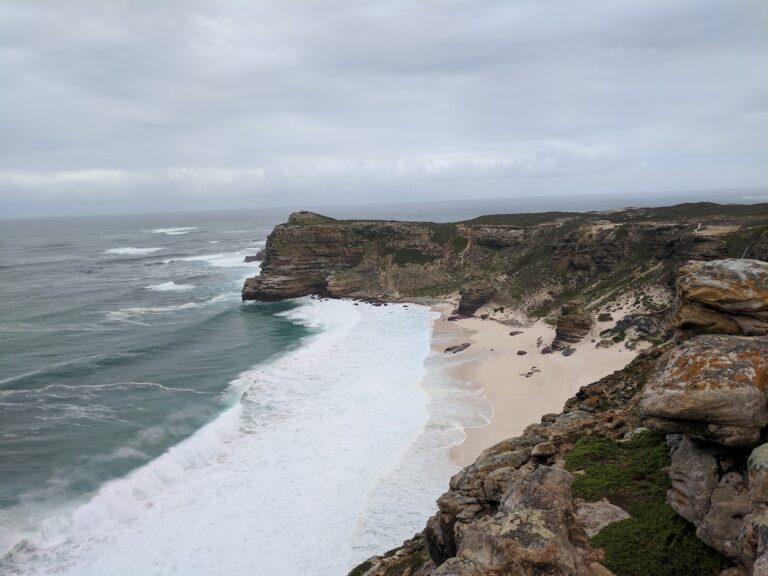
Discovering Cape Point's Hiking Trails
Cape Point offers a range of hiking trails, each providing a unique perspective on the natural beauty of the area.
Cape Point offers a range of hiking trails, each providing a unique perspective on the natural beauty of the area:
- Cape of Good Hope Trail: This trail takes you to the most southwestern point of Africa. It’s a relatively easy 3.5km hike with stunning views of the coastline.
- Shipwreck Trail: This historical trail leads hikers past several shipwrecks and offers plenty of opportunities for birdwatching and wildlife spotting.
- Lighthouse Keeper’s Trail: This trail involves a steep climb to the old Cape Point lighthouse, but the panoramic views from the top are definitely worth the effort.
- Thomas T Tucker Shipwreck Trail: This moderately difficult trail takes you along the beach to the remains of the Thomas T. Tucker, an American Liberty ship that ran aground in 1942.

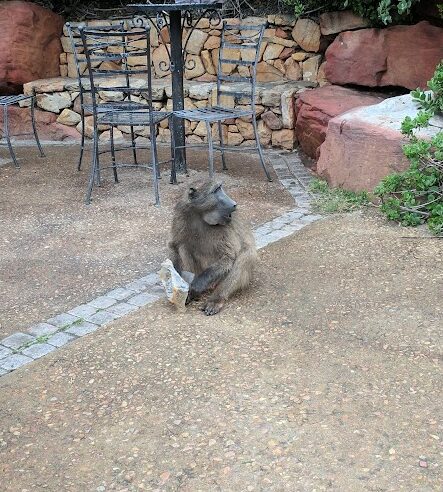
A Wildlife Wonderland at Cape Point
The most visible of Cape Point’s mammals are the Chacma baboons. These primates are one of the few animal species that have adapted to life in the fynbos, and their troops can often be seen foraging on the roadsides and in picnic areas. Other mammals you might spot while exploring Cape Point include the Bontebok and Eland, two types of antelope native to this part of Africa. Eland are the largest of the African antelopes, while Bontebok are smaller and notable for their distinctive white and chestnut coat. Cape Mountain Zebra, another iconic species, can occasionally be seen in the reserve, as well as small mammals like the Rock Hyrax (also known as Dassies) and several species of mongoose.
Exploring Marine Life
The oceans surrounding Cape Point areteeming with life. Common dolphins and Bottlenose dolphins can often be seen frolicking in the surf. The Southern Right Whale is a regular visitor between June and November, as they migrate here to breed and calve. For a chance to spot the Cape fur seals, consider taking a boat trip around the Point. These agile and playful creatures are a delight to watch as they hunt for fish or bask in the sun.
Birdwatching Paradise
Cape Point is a birdwatcher’s paradise, boasting over 250 species of birds. Sea birds such as African Black Oystercatchers, Cormorants, and various species of Gulls and Terns can be seen along the coast. The cliffs and rocky outcrops are home to raptors like the Black Eagle and Peregrine Falcon, while the fynbos areas support Sunbirds, Sugarbirds, and many other species. Keep an eye out for the endemic Cape Sugarbird and the Orange-breasted Sunbird, both of which are dependent on the fynbos for their survival.
Reptiles and Amphibians of Cape Point
The reserve is also home to various reptiles, including snakes like the Puff Adder and Cape Cobra. These are shy creatures and pose little threat if left undisturbed. Other reptiles include the Cape girdled lizard and the Marbled leaf-toed gecko.
Several species of frogs and toads inhabit the wetland areas, and the Western leopard toad, an endangered species, can sometimes be seen after rain.
Overall, Cape Point offers a rich and varied wildlife experience, with opportunities to spot different species wherever you go. Whether you’re a casual wildlife watcher or a passionate naturalist, you’re sure to find something that will delight and fascinate you. Just remember, these animals are wild. Keep a safe distance and never feed or disturb them.
The Flora of Cape Point Nature Reserve
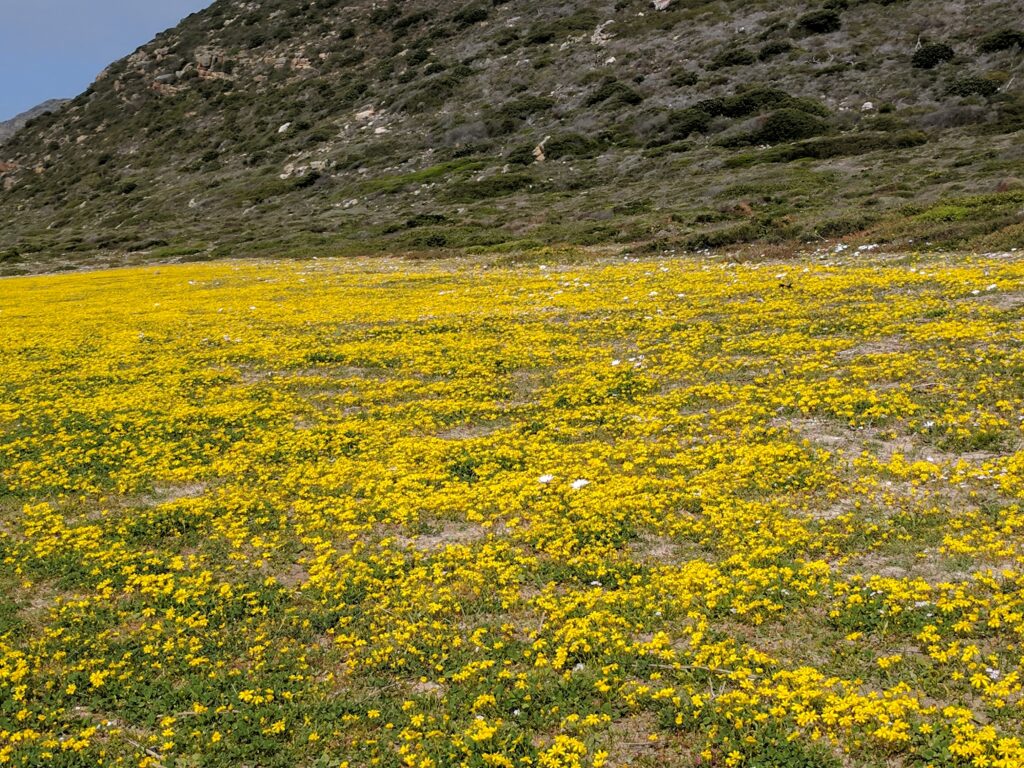
As part of the Cape Floral Kingdom, the smallest yet richest plant kingdom in the world, Cape Point has a rich diversity of flora. The fynbos vegetation is particularly fascinating, with species like Proteas, Ericas, and Restios in abundance.
The Fynbos Biome
Cape Point is famous for its fynbos, a vegetation type unique to the Cape Floral Kingdom. Fynbos means “fine bush” in Afrikaans, a reference to the typically small leaves of these hardy, drought-resistant plants. The fynbos biome is characterized by four main plant groups: Proteas, Ericas (heaths), Restios (reeds), and Geophytes (bulbous plants).
Proteas: These are probably the most famous of the fynbos plants, named after the Greek god Proteus who could change his form at will, referring to the incredible diversity within the Protea family. The King Protea, South Africa’s national flower, can be found here.
Ericas: There are more than 600 species of Erica in the Cape Floral Kingdom. They are smaller shrubs, often with beautiful, delicate flowers that add color to the landscape.
Restios: These are ancient, grass-like plants that provide an important structural element to the fynbos landscape.
Geophytes: Geophytes are plants that survive adverse conditions (like summer drought) by dying back to an underground storage organ. When the conditions are right, they produce some of the most beautiful and striking flowers.
In addition to the fynbos, Cape Point hosts a variety of other notable plants. These include various succulents, many of them endemic to the area. One example is the spectacular Red Crassula, a creeping plant that forms a red carpet over rocky outcrops.
Another remarkable plant is the Silver Tree (Leucadendron argenteum), a tall, silvery bush that stands out against the fynbos’ green and brown hues. This tree is native to a small area of the Cape Peninsula and is considered endangered, making it a special sight for visitors.
Cape Point’s flora is truly a wonder to behold. Its unique combination of diversity, richness, and endemism has resulted in it being recognized as a UNESCO World Heritage Site. As such, it is an essential destination for plant enthusiasts and nature lovers from around the world. Just remember – this delicate ecosystem is there for all to enjoy. Always stay on designated trails to prevent trampling on the vegetation, and do not pick any flowers or plants.
Cape Point Lighthouse: A Must-Visit
No visit to Cape Point Nature Reserve is complete without a journey to the iconic lighthouse. Perched 249 meters above sea level, the Cape Point Lighthouse is more than just a navigational aid; it’s a symbol of the area’s rich maritime history. Although it’s no longer in active use, replaced by a more modern and effective lighthouse, the old Cape Point Lighthouse remains a popular attraction for visitors.
Climbing the winding steps to the top is an adventure in itself, but it’s the panoramic views at the summit that truly take your breath away. From this vantage point, you can gaze out over the vast expanse of the Atlantic Ocean, watch as waves crash against the rugged cliffs below, and on a clear day, you might even spot a whale or two in the distance. The lighthouse also offers a unique perspective of the Cape Point Nature Reserve, allowing you to appreciate the full extent of its diverse landscapes and natural beauty.
Facilities
Cape Point Nature Reserve is not only a haven for nature and wildlife enthusiasts but also well-equipped with facilities to ensure a comfortable and enjoyable visit for everyone.
Picnic Spots: Scattered throughout the reserve are numerous picnic spots. These areas provide the perfect setting for a leisurely lunch amidst nature. Pack a picnic basket with your favorite snacks and enjoy a meal with a view.
Restaurant: If you prefer a sit-down meal, the Two Oceans Restaurant at Cape Point offers a variety of delicious options. With its stunning views of the ocean, this restaurant provides a dining experience like no other. From traditional South African dishes to fresh seafood, there’s something to satisfy every palate.
Curio Shop: Don’t forget to stop by the curio shop before you leave. Here, you can find a wide range of souvenirs and gifts, from locally made crafts to books about the reserve’s flora and fauna. It’s the perfect place to pick up a memento of your visit or a gift for a loved one.
Visitor Centre: The Visitor Centre is a hub of information about the reserve. Here, you can learn more about the history of Cape Point, its wildlife, and the various trails and activities available. The friendly staff are always on hand to answer any questions and provide recommendations to enhance your visit.
Restrooms and Refreshment Facilities: Clean restrooms and refreshment facilities are conveniently located throughout the reserve. These are well-maintained and easily accessible, ensuring a comfortable visit for all guests.
Remember to bring enough water and sun protection, as the South African sun can be quite fierce. With these facilities at your disposal, your visit to Cape Point Nature Reserve is sure to be a memorable one.
oUR oTHER gUIDES iN CAPE tOWN
Usefull Hiking Links
The Mountain Club of South Africa (MCSA)
offers mountain rescue services among its many activities.
Mountain Club of South Africa